

A political storm has erupted in Maharashtra after a viral video involving a senior state minister sparked demands for accountability and resignation, with the opposition calling the episode a sign of ethical deterioration in public life.
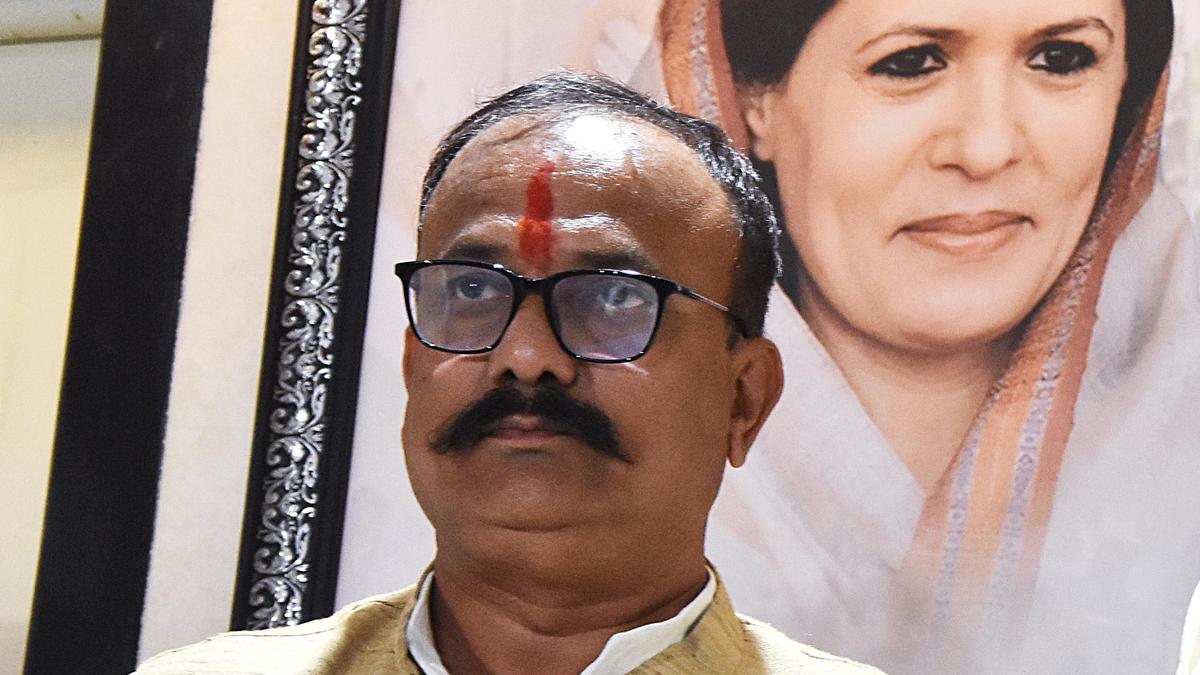
The controversy centres on Narhari Zirwal, who holds the Food and Drug Administration portfolio in the Maharashtra government led by Chief Minister Devendra Fadnavis. A video circulating on social media appears to show Zirwal inside a bedroom at his official residence with a transgender individual, leading to intense criticism from political rivals and activists.
Opposition leaders, particularly Harshwardhan Vasantrao Sapkal, president of the Maharashtra Pradesh Congress Committee, accused Zirwal of “obscene and unethical behaviour” that they say reflects a deep moral lapse in the state’s political culture. Sapkal has openly demanded that the minister resign from his post immediately, urging Chief Minister Fadnavis to act swiftly to uphold standards of public trust.
The United opposition argues the incident is more than a private matter, citing that the setting appears to be an official government residence — a space that, critics claim, should be insulated from controversies that could tarnish the image of the state administration. Alongside party leaders, social activists have also called for a thorough inquiry into the circumstances of the video’s recording and release.
In response to the backlash, Zirwal has denied wrongdoing, calling the footage manipulated and part of an alleged blackmail attempt, according to some reports. He stated that he has known the individual in the video for several years and disputed claims that the visuals prove improper conduct.
The episode has also intensified pressure on Zirwal’s party and the broader ruling alliance to address ethical concerns. Political observers say the controversy comes at a delicate time, as the Nationalist Congress Party (NCP) — of which Zirwal is a member — is already facing public scrutiny over unrelated scandals involving other leaders, increasing the spotlight on internal discipline and leadership accountability.
As the debate continues, the state’s political environment remains charged, with public opinion and media commentary amplifying calls for transparent action on issues of conduct by elected officials.


