

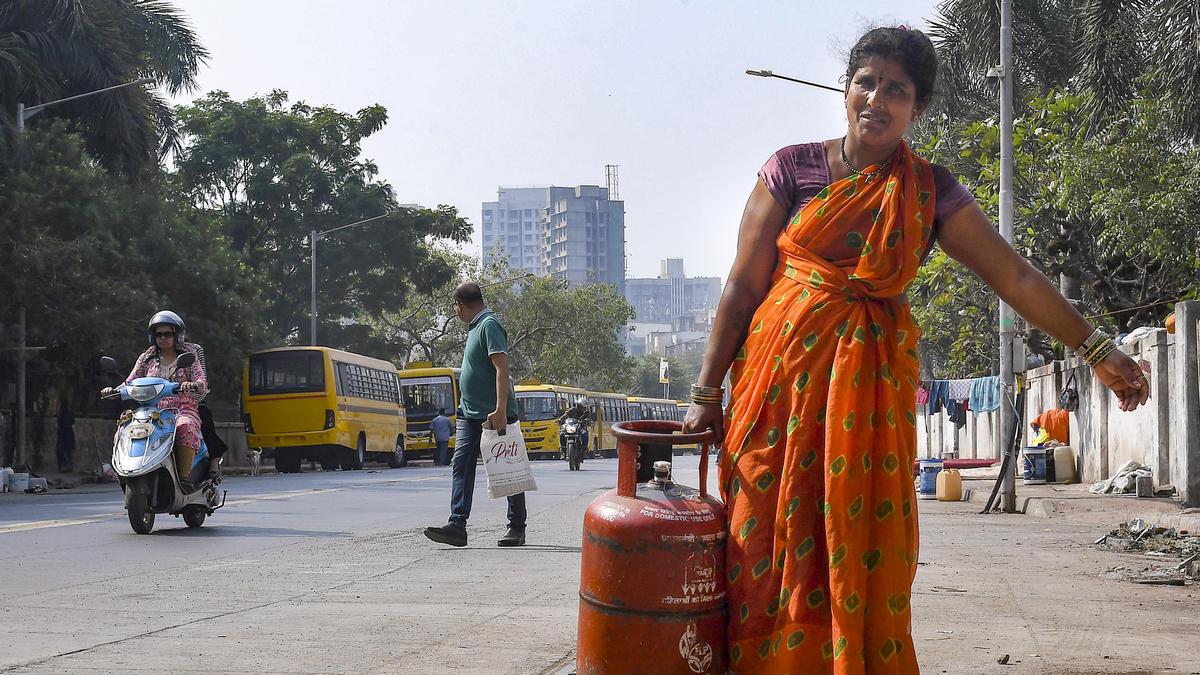
In a significant development, the Bombay High Court has chosen to step back from direct intervention in the ongoing LPG supply concerns, placing its trust in the Centre’s handling of the situation.
The court disposed of a public interest litigation after the Central government assured that it is actively working—both domestically and through international channels—to maintain steady LPG availability and prevent hardship to citizens.
At the heart of the decision lies a broader principle: during periods of global instability, governance often requires flexibility that courts may hesitate to restrict. The government informed the court that the supply disruptions were linked to evolving geopolitical tensions in West Asia, which have affected crude oil movement and LPG production worldwide.
Rather than issuing strict directions, the court acknowledged that such a complex and evolving situation is better handled by the executive, especially when it involves sensitive diplomatic negotiations. It accepted the Centre’s position that certain measures cannot be publicly disclosed due to their international nature.
The case itself was triggered by LPG distributors who raised concerns about shortages and alleged that domestic supply was being affected despite policy directives prioritising household consumption. However, the government maintained that it is closely monitoring the situation and taking corrective steps to ensure uninterrupted distribution.
Importantly, the Centre also assured that any local-level disruptions caused by distributors or supply chain lapses would be dealt with strictly, signalling that accountability mechanisms remain in place even as the broader crisis is managed at higher levels.
By closing the case, the court has effectively reinforced a balance between judicial oversight and executive autonomy. The message is clear: in times of global uncertainty, courts may prioritise institutional trust and allow the government the space to respond dynamically to fast-changing challenges.


