

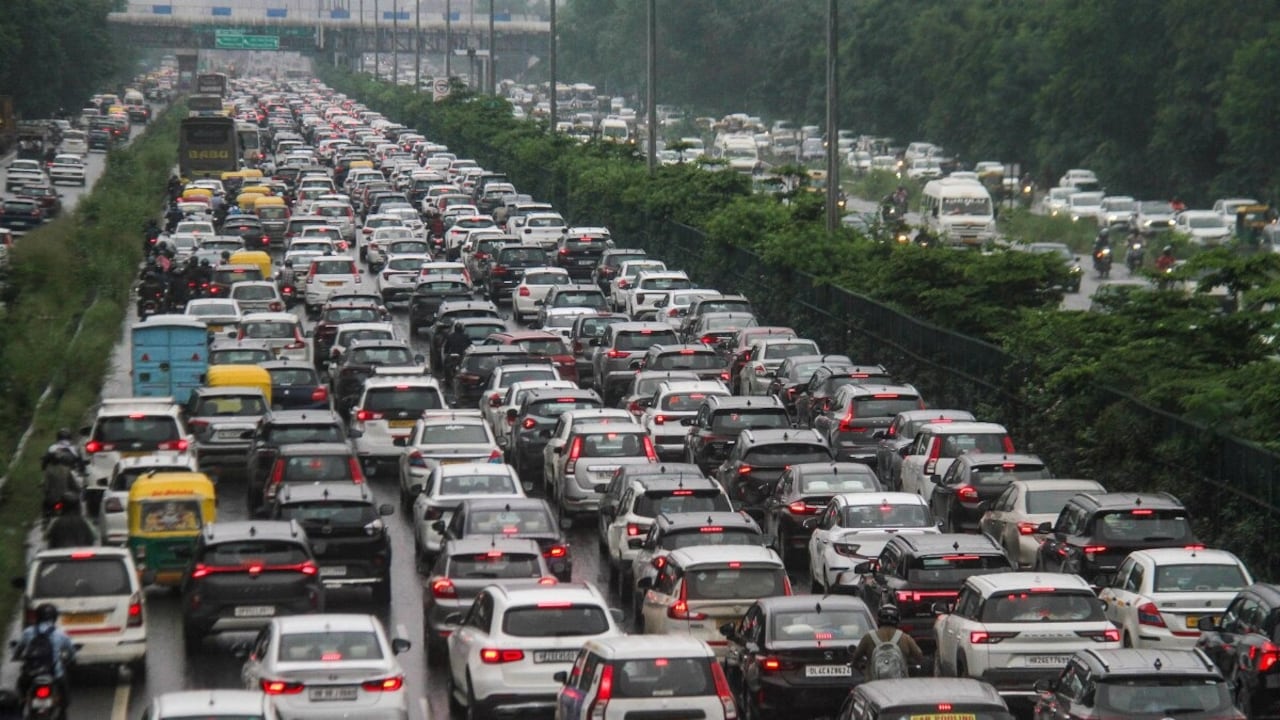
Mumbai’s famously busy morning rush hour is beginning to look slightly different, and many daily commuters are noticing the change. Over the past few months, several key business districts across the city have experienced a visible reduction in early peak hour congestion, a shift that many experts attribute to the growing acceptance of hybrid work models.
Areas that typically witness dense traffic between 8 AM and 11 AM, including Lower Parel, Bandra Kurla Complex, and Nariman Point, are reporting smoother vehicle movement on several weekdays. While the city remains as energetic and fast paced as ever, the intensity of the traditional office hour bottleneck appears to be softening.
Regular commuters say the difference is subtle but meaningful. Many drivers describe slightly shorter travel times, while some public transport users mention less crowding during certain morning slots. Though trains and buses remain busy, the extreme pressure associated with pre pandemic schedules seems less consistent.
Corporate policies are playing a major role in this transition. A significant number of companies now allow employees to split their workdays between home and office, reducing the need for everyone to travel at the same time. Flexible login hours and staggered shifts have further contributed to dispersing commuter volumes throughout the day.
Urban mobility observers believe this evolution could have longer term implications for the city. Reduced peak congestion not only improves commute experiences but may also influence fuel consumption patterns, stress levels, and overall productivity. For many professionals, avoiding the most chaotic travel windows has become an unexpected benefit of modern work arrangements.
However, transport planners caution that Mumbai’s traffic dynamics are complex and constantly changing. Temporary relief does not eliminate broader infrastructure challenges. Population growth, construction activity, and increasing vehicle ownership continue to place pressure on roads and transit networks.
For now, many residents are simply welcoming the breathing space. Even marginal improvements in travel time can significantly affect daily routines in a city where commuting often consumes several hours. As hybrid work culture continues to mature, Mumbai’s relationship with its legendary rush hour may be quietly entering a new phase.


