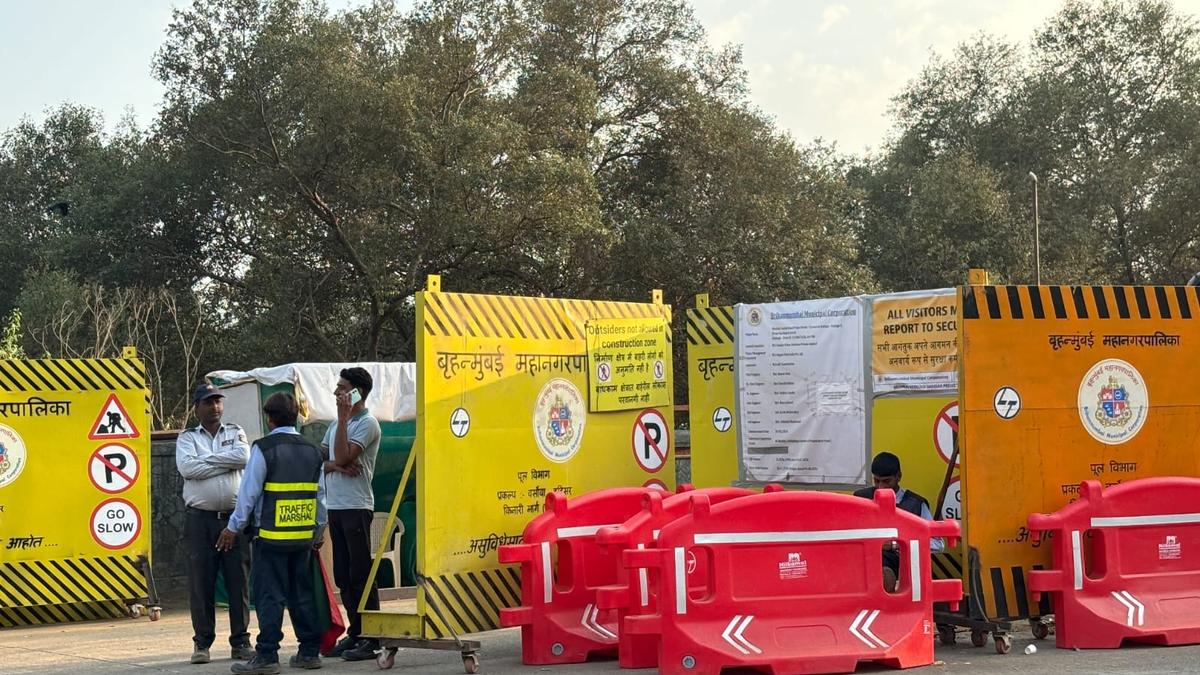
The ongoing push to build new road infrastructure along Mumbai’s western coastline is not just reshaping traffic patterns — it is putting the very survival of traditional fishing communities at risk by destroying vital mangrove ecosystems that sustain marine life and support local livelihoods.
Local fishers, particularly in areas such as Charkop Koliwada, have raised alarms that construction work associated with the planned Versova-Bhayander Coastal Road will lead to the loss of mangroves and the delicate creek habitats where they fish daily. These mangrove forests serve as nurseries for fish and crustaceans, and their removal would deal a direct blow to the small-scale fishing economy that hundreds of families depend on.
What Fishers Fear
Fishers say that dredging, land-filling, and the building of approach roads and bridges will disrupt the tidal flows and aquatic environment on which local biodiversity — and by extension fish stocks — depend. Loss of mangroves means the loss of breeding grounds for species such as prawns, boi and catfish, which provide both daily food and income for traditional Koli communities along Mumbai’s creek belt.
One Charkop local described how construction noise and land disturbance have already reduced catches: “The fish have become fewer and skittish, and we’re seeing less return for the effort we put in.” For many fishers, this work is the backbone of family income — and with alternative employment opportunities limited, the prospect of ecological degradation carries deep financial anxiety.
Ecology at Stake
Mangroves are more than fish nurseries. These coastal forests protect shorelines from erosion, help absorb floodwaters, and support a rich diversity of wildlife — from fiddler crabs and mudskippers to migratory birds and small mammals. When mangroves disappear, so too does a functional buffer against rising tides and extreme weather — a concern increasingly pressing as climate change alters weather patterns.
Environmental groups and some local officials acknowledge that large infrastructure projects, including the Coastal Road, will affect hundreds of hectares of mangrove land, and have called for comprehensive impact assessments and mitigation plans before further clearing takes place. To its credit, authorities have announced plans to conduct socio-economic impact surveys and offer compensation and rehabilitation based on those studies.
The Broader Conflict Between Development and Ecology
This situation highlights a broader tension facing Mumbai — one where economic growth and expanded transport links are prioritized, sometimes at the expense of fragile ecosystems and the traditional communities that depend on them. Critics argue that while improved roads may ease congestion for commuters, the costs to coastal ecology and local livelihoods could be profound and irreversible.
Local activists and environmental NGOs have long warned that mangrove loss has cumulative effects. In the past, deforestation of mangroves has been linked to reduced natural flood protection and decline in fish populations around mega-projects. Observers say that without stronger protections and better integration of community voices, projects designed to modernize the city could end up marginalizing its oldest residents and weakening natural defences against climate risks.