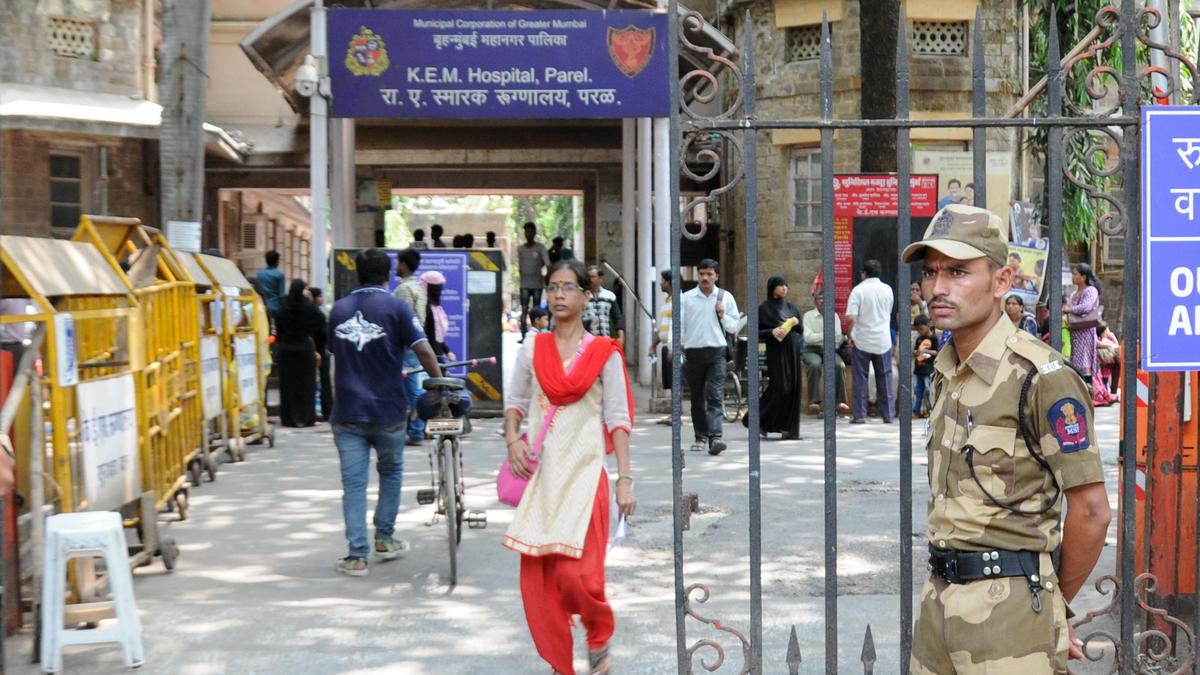
A fresh controversy has emerged in Mumbai after Mangal Prabhat Lodha formally requested that the civic administration change the name of King Edward Memorial Hospital, one of the city’s oldest and busiest public health institutions. In a letter to the Brihanmumbai Municipal Corporation (BMC), the minister argued that the existing name, rooted in the British colonial era, is no longer appropriate in modern India and should be replaced with a name reflecting Indian values and heritage.
Lodha’s proposal suggests renaming the hospital to “Kaushalya Shreshtha Eklavya Smarak Hospital”, which he says would better honour local and cultural identity rather than a symbol of colonial rule. The suggestion comes as the KEM Hospital approaches a milestone in its longstanding history of serving millions of patients with affordable healthcare.
Historic Institution, New Identity Push
The KEM Hospital was founded nearly a century ago in memory of King Edward VII of Britain. Over the decades, it has grown into one of Mumbai’s principal civic medical centres, providing essential services to low-income and vulnerable communities across the metropolis.
Supporters of the renaming argue that shedding colonial names from public institutions aligns with broader cultural efforts to assert post-independence identity. Similar renaming campaigns have taken place across India in recent years, ranging from city and district names to railway stations formerly associated with British or colonial figures.
Criticism and Concern From Medical Community and Public
However, the proposal has also attracted early pushback. Alumni, doctors and civic observers have pointed out that “KEM” is not just a name but a globally recognised brand in public healthcare, with decades of professional connections and history tied to it. Opponents worry that renaming an institution with such deep institutional identity could cause confusion and ultimately distract from more pressing issues such as infrastructure, staffing and service delivery.
Critics also note that operational challenges faced by the hospital — including staffing shortages reported by civic researchers — are unlikely to be addressed by changing a name alone, and that efforts may be better focused on improving facilities and medical capacity.
Political Back-and-Forth Intensifies
The name-change demand has already drawn political reactions. Some opponents have questioned the timing and priorities of the minister, even prompting sarcastic jibes from rival politicians who pointed to other unrelated naming issues, including a luxury property development associated with the same minister.
Opposition voices have also emphasised that renaming discussions should not overshadow urgent healthcare needs in a city facing mounting patient loads and capacity constraints. Mumbai’s ageing public hospitals continue to grapple with the demands of a growing population, and many argue that strengthening service quality should take precedence.
What Happens Next
The proposal now rests with the BMC, which will need to decide whether to take the matter forward — a process that could involve public consultations, internal reviews and possibly input from heritage and medical associations given the hospital’s historical significance.
As the debate unfolds, many Mumbaikars are watching closely to see whether heritage, health infrastructure or political symbolism will ultimately determine the future of one of the city’s most enduring public institutions.