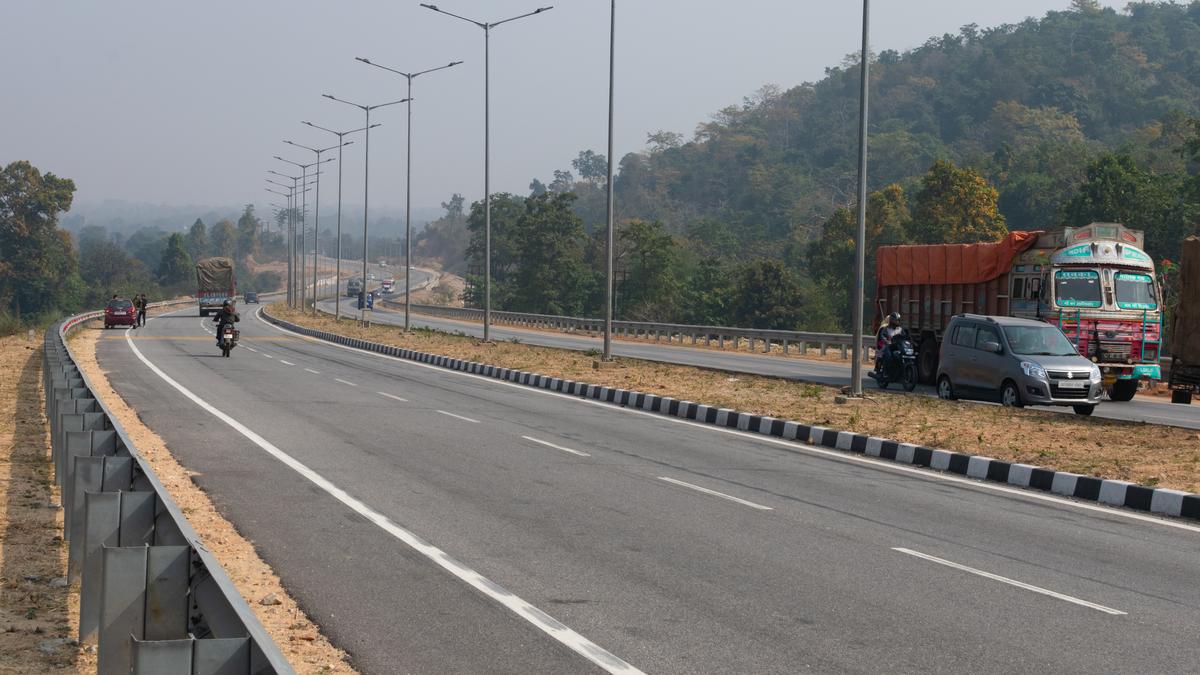
After years of planning and construction, the long-anticipated Missing Link on the Mumbai–Pune Expressway is finally set to open on May 1 — Maharashtra Day, signalling a major upgrade for one of the busiest travel corridors in western India. Chief Minister Devendra Fadnavis is expected to inaugurate the new section, which is designed to ease traffic congestion and enhance safety on the route connecting Mumbai to Pune.
The Missing Link is a 13.3-kilometre access-controlled stretch built to bypass the old, winding ghat section between Khopoli and Kusgaon near Lonavala, long known for frequent traffic snarls and accident risks. It replaces a roughly 19-km portion of road with a straighter, smoother route, cutting travel distance by around 6 km and journey time by approximately 20–30 minutes for commuters.
This new alignment includes tunnels, viaducts and one of India’s longest road cable-stayed bridges, combining modern engineering with improved safety features. Officials say the project, executed by the Maharashtra State Road Development Corporation (MSRDC) at an estimated cost of about ₹6,695 crore, tackles the toughest ghat terrain while delivering a more efficient link between two major urban centres.
In the initial months after opening, authorities plan to permit access first to light motor vehicles and buses — heavy goods vehicles and hazardous load carriers will remain restricted until safety evaluations are complete. Traffic rules on the link also include speed limits, with oversight to ensure orderly movement.
Importantly for regular travellers, the launch will not increase toll charges — existing toll rates at plazas such as Khalapur and Talegaon will continue to apply even after the project becomes operational. This assures commuters of improved connectivity without added cost.
Officials and commuters alike see the Missing Link as a strategic upgrade that not only reduces travel time and fuel usage but also enhances road safety — particularly important during peak holiday travel and monsoon seasons when the old ghat stretch could be unpredictable.
Overall, the project represents a milestone in regional infrastructure, potentially supporting tourism and economic activity between two of Maharashtra’s largest cities while setting a new benchmark for expressway design against challenging topography.