

A new rule set to take effect on May 1 has put thousands of autorickshaw and taxi drivers across Maharashtra under scrutiny not for traffic violations or safety compliance, but for their ability to read, write, and speak Marathi.
Reported by The Hindu, the state’s Transport Department will begin verifying Marathi proficiency among licensed drivers, warning that those who fail to meet the standard risk losing their licences. While the government frames the move as an effort to improve commuter communication and uphold the state’s official language, critics say the directive risks turning a cultural policy into a livelihood crisis.
A Rule With Severe Consequences
The order mandates language checks through regional transport offices across the state. Drivers who cannot demonstrate basic Marathi skills may face licence cancellation — effectively cutting off their only source of income.
For many drivers, especially migrants from northern and southern states who have worked in Maharashtra for decades, this is not a matter of cultural resistance but of practical survival. Taxi and rickshaw unions argue that the state is imposing an abrupt barrier on workers who have long served the transport needs of cities like Mumbai, Nagpur, and Chhatrapati Sambhaji Nagar without issue.
“Cultural Respect” vs. “Political Signalling”
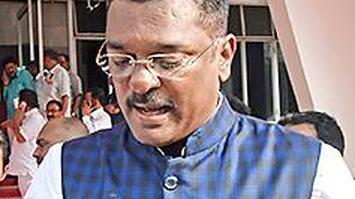
Transport Minister Pratap Sarnaik has defended the move by saying Marathi proficiency was always part of licensing norms and that enforcement had simply been lax. According to him, this is a corrective step to ensure smoother communication between passengers and drivers.
But unions and civil society groups see it differently. They describe the timing — ahead of Maharashtra Day — as politically symbolic, arguing that the rule appears more like a cultural assertion than a transport reform. For them, the question is simple: if drivers have been operating for years without language-related complaints, why threaten their licences now?
The Migrant Workforce at the Centre
A large portion of Maharashtra’s auto and taxi drivers are migrants who came to the state in search of work. Many understand spoken Marathi well enough for daily transactions but may struggle with reading or writing the script. For such workers, the rule feels less like a communication requirement and more like an exclusionary filter.
Driver unions warn that instead of improving commuter experience, the rule could shrink the transport workforce, increase fares due to reduced supply, and create fear among workers who already operate in an economically fragile sector.
A Question of Proportionality
Critics also question whether licence cancellation is a proportionate response to language gaps. They argue that if communication is the goal, the government could offer subsidised language training, grace periods, or practical spoken-language assessments rather than punitive checks.
In its current form, the directive risks sending a message that linguistic purity outweighs years of service, road experience, and clean driving records.
Communication or Compliance?
At the heart of the controversy is a larger debate: should public service efficiency be measured by language compliance, or by service quality and safety?
While promoting Marathi is widely seen as legitimate in a state where it is the official language, many believe that tying it directly to licence validity crosses into coercion. For thousands of drivers, May 1 now represents not just Maharashtra Day, but a looming test that could determine whether they are allowed to keep working at all.


